EAST IDAHO INSIGHTS
What Makes East Idaho Different From Every Other Place People Are Moving Right Now

What You Need To Know:
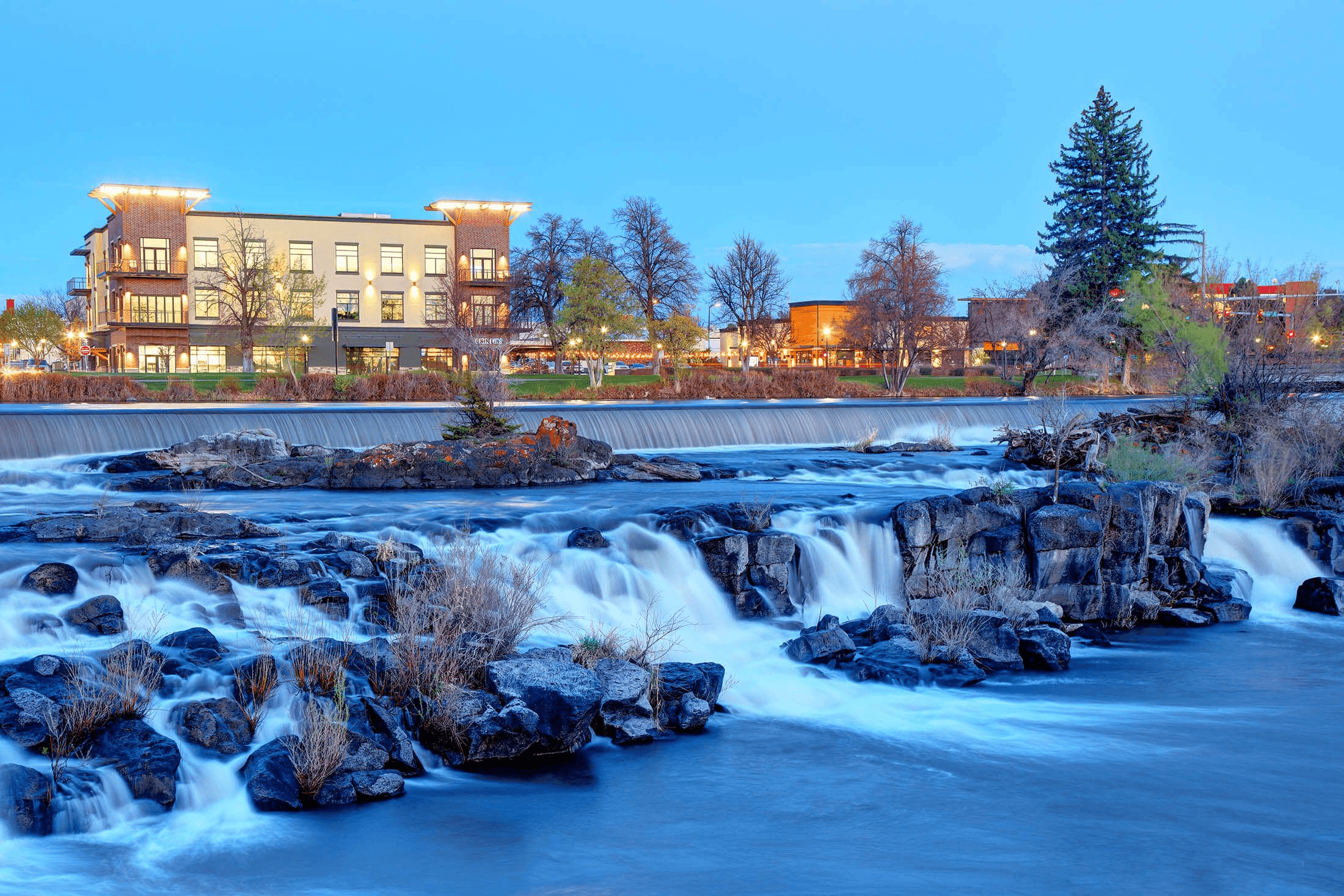
People have been moving to Idaho for years, and the reasons are well documented. Lower costs, outdoor access, a strong job market, and a quality of life that larger metros have made increasingly difficult to deliver. What gets less attention is what makes East Idaho specifically different from Boise, from the Treasure Valley, and from the version of Idaho that shows up most often in national relocation coverage.
East Idaho is its own place. It always has been.
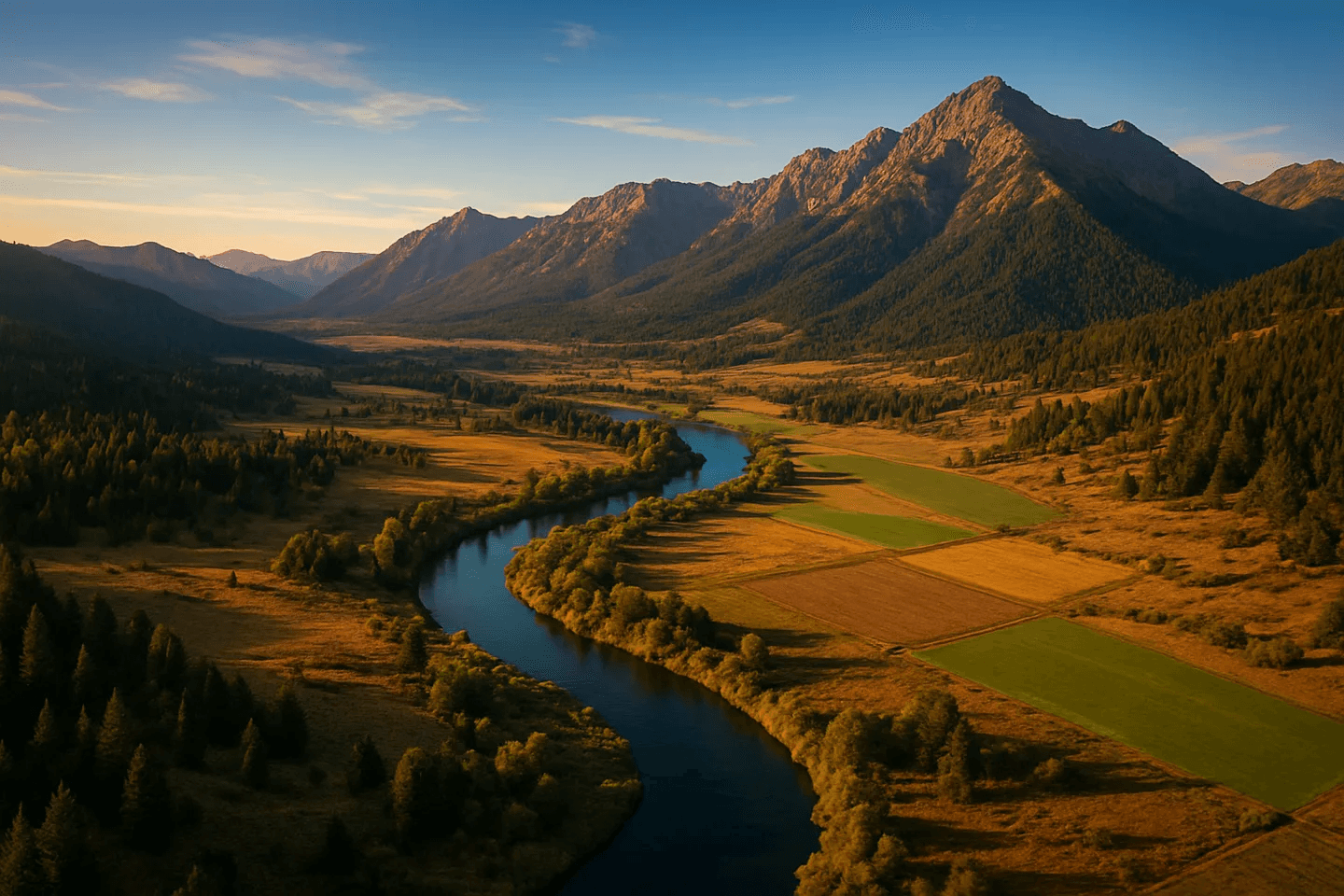
The landscape here is not the rolling foothills and high desert that most people associate with the state. It is the Snake River Plain, flanked to the east by the Teton Range and opening to the north toward some of the most extraordinary terrain in the American West. Island Park sits at the edge of Yellowstone. Swan Valley follows the Snake River through a valley that feels genuinely remote even though it is within an hour of town. The geography shapes the culture in ways that are hard to convey without spending time here.
The agricultural identity of the region runs deep. This is farming and ranching country, and that is not window dressing. The families who have been here for generations are still farming. The potato harvest in the fall is a real event that touches the local economy in ways that most newcomers take a season or two to fully understand. My own family has farmed southeast of Idaho Falls for generations, and that connection to the land is part of what makes this community feel like a community rather than a collection of people who all happened to move somewhere at the same time.
What East Idaho offers that Boise does not is a smaller scale, a stronger sense of existing community, and an outdoor access profile that is genuinely different. Fishing on the Henry's Fork. Skiing at Grand Targhee or Kelly Canyon. Snowmobiling into Yellowstone in the winter. These are not regional amenities. They are local ones, available to residents on a Tuesday afternoon in a way that requires a destination trip from anywhere else.
The buyers who tend to thrive here are the ones who are looking for somewhere that is actually somewhere, with its own identity and its own way of operating. East Idaho rewards that kind of buyer more than most markets do.
East Idaho is not the same Idaho as Boise.
The landscape, the culture, and the community run deeper here.
Agricultural roots shape the economy and the identity of the region.
Outdoor access here is local, not regional.
The people who moved here are outnumbered by the people who have always been here.
That balance is part of what makes it worth considering.